Your teen decides how to hear you before you finish the sentence
Tone is processed faster than words. The same instruction, delivered two ways, produces two entirely different evenings.
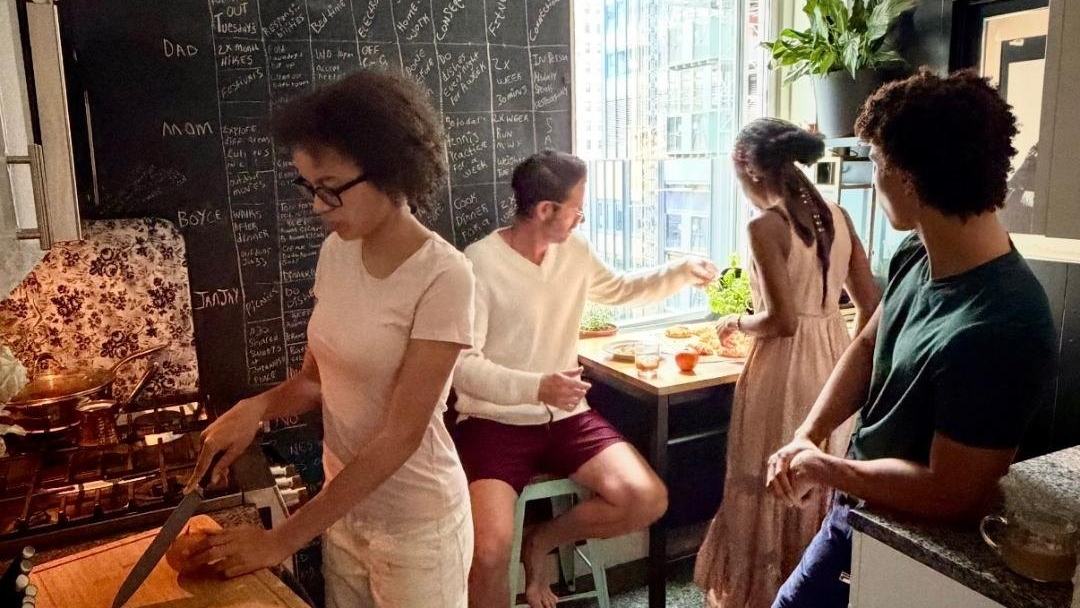
Say this out loud: "Bring your plate in."
Now say it again, exactly the same words, at the end of a long day, on the fourth time of asking.
Same sentence. Completely different message. And your teenager received the second version before you got to "plate."
The brain processes tone of voice before it finishes decoding the words. This makes evolutionary sense — knowing whether the person approaching is angry mattered long before knowing precisely what they were saying.
What it means at your kitchen table is that your teenager has already decided whether this is an attack, and has already begun defending, before your instruction is complete.
You then get a response to a threat you didn't think you'd made. And because you didn't hear the threat in your own voice, their reaction looks wildly out of proportion. So you escalate. And now you're both in it.
This is the piece I most want to be clear about, because "warm tone" gets heard as "go easier on them," and that is not what I'm describing.
Strong back is the standard. What's expected, what happens when it isn't met, held steadily and without apology.
Soft front is how it's delivered. Warm, unhurried, without contempt.
Most of us can do one. We're firm and cold, or we're warm and we cave. The whole skill — and it is a skill, not a personality type — is holding both at once. Firm about the thing. Warm toward the person.
The standard lives in your back. The warmth lives in your front. Your teen needs to feel both, or they only get half the message.
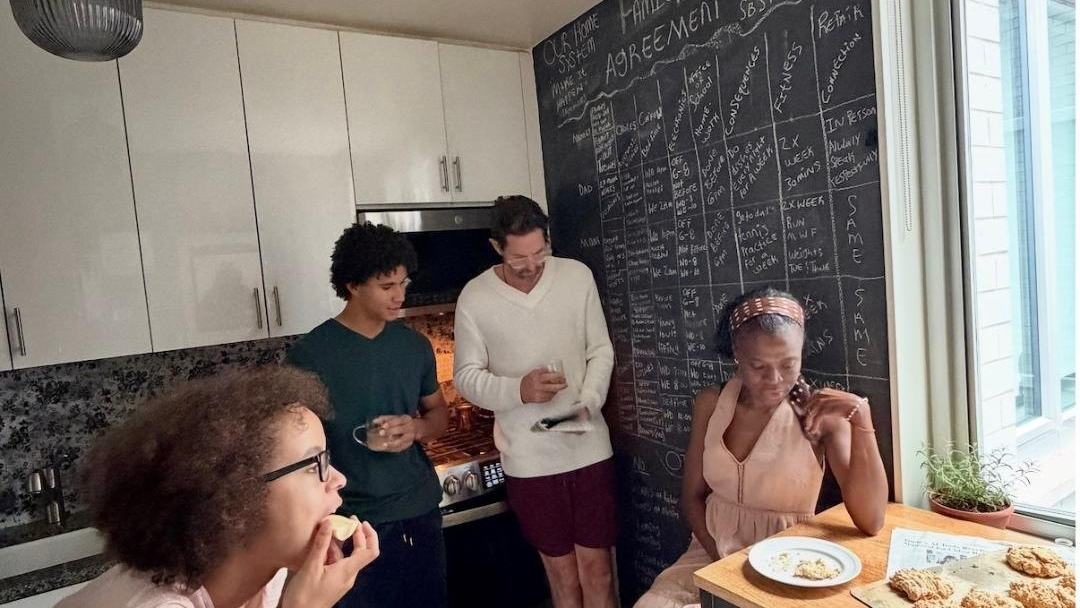
You can't decide to feel calm. You can do these:
Try this for one week. Same rules, same consequences, nothing loosened — just the delivery.
Most parents report the same thing: the arguments don't disappear, but they get shorter. The recovery is faster. The evening doesn't get written off.
That's not a small win. That's a different childhood, accumulated one evening at a time.
Tone is the piece of this work that's entirely about you. You can't hand it to your child, can't put it in an agreement, can't make it their responsibility.
Which is also why it's the fastest thing in your house that you can change. You don't need anyone's cooperation. You can start at the next sentence you say.
Send me what is happening in your house with your teenager. I choose one at a time and work it all the way through in the newsletter.
Send your question →
Get my free 5-Minute Family Agreement Conversation Starter, then receive one Encouragement Phrase Card each week — simple words to keep you and your teen encouraged, connected and supported through the hard moments.

Most parents do not have a communication problem. They have a first-sentence problem. Here are twelve openings that keep a teenager in the room.

Your teen looks grown and sounds grown. The part of them that governs reason, impulse and calm is still under construction — and knowing that changes how you lead.

Not written down means negotiable. Here are the eight things that stop being an argument the moment they are on a board everybody can see.
Send me what is happening in your house. I choose one question at a time and work it through on the newsletter — the situation, the words to say, and what to do when it gets tested. If I choose yours, I email you a week before it goes out.
Ask Vida