After Years of Sitting With Families, Here Is What I Wish Parents Worried Less About
Some of what keeps you awake at two in the morning genuinely matters. A surprising amount of it does not, and it is costing you the parts that do.
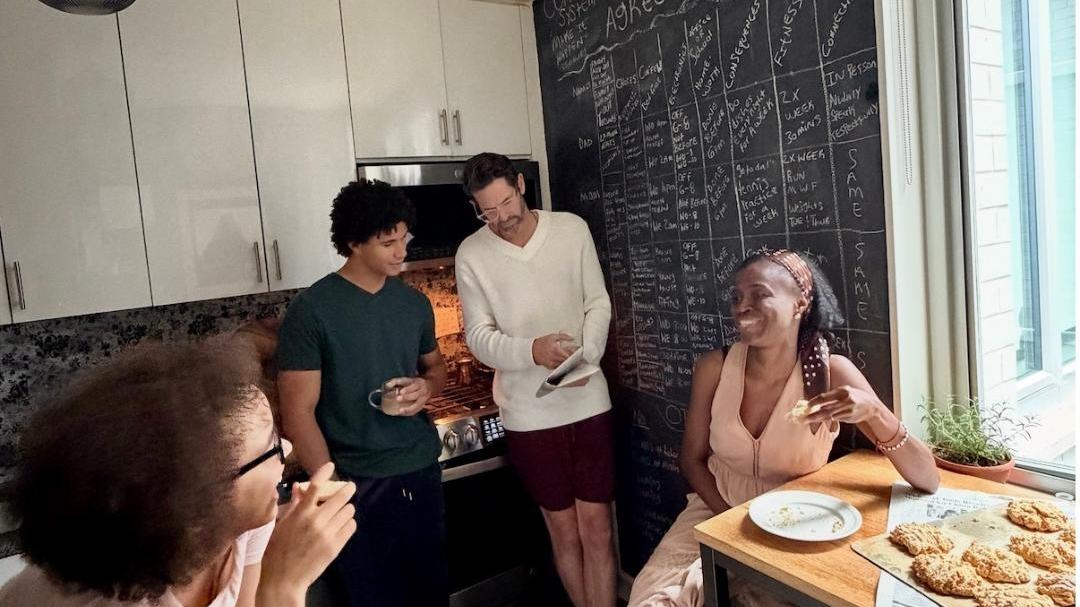
I sit with families for a living. I hear what keeps parents of teenagers awake, and after enough of it you start to notice which worries turn out to matter and which ones quietly steal years from people.
So, gently, and knowing that every family is its own weather system — here is what I wish parents of teenagers worried less about.
The state of it tells you less than you think. I have met immaculate fifteen-year-olds in genuine trouble and chaotic ones who were thriving. It is worth a rule. It is not worth a relationship. Pick the hill.
At thirteen your teenager’s job is to become a separate person, and the mechanism for that involves finding you slightly unbearable for a while. It is developmental, it is temporary, and taking it personally is what turns a phase into a pattern. Hold the line, keep the warmth, wait it out.
A dip in grades in a hard year is information, not a verdict. The parents who panic in tenth grade and make it the center of the household are frequently the ones whose teenagers stop telling them anything about school at all.
You will not be. Nobody is. What matters is not perfect consistency — it is that the pattern is legible. A parent who holds the line four times out of five and repairs the fifth is running a system your teenager can read. A parent tormenting themselves about the fifth is running the same system with more suffering attached.
Security in a teenager does not come from a parent who never gets it wrong. It comes from a parent who reliably comes back.
They are not. You are comparing your kitchen at seven o’clock to their Sunday photograph. Every family I sit with believes they are the only one, and they say it in almost identical words.
Three things, and only three.
Worry less about whether you are getting it right and more about whether your house has a shape your teenager can see. Most of the parents I meet are not failing. They are improvising nightly, in a doorway, against someone with more stamina.
That is not a flaw in you. It is a house without a system, and a house without a system will exhaust anybody.
The board, the agreement everyone signs, the 30-minute meeting script and what to do in week two when it gets tested.
Start With The Family Agreement →
Get my free 5-Minute Family Agreement Conversation Starter, then receive one Encouragement Phrase Card each week — simple words to keep you and your teen encouraged, connected and supported through the hard moments.

I ran teams. I ran budgets. I came home and had no system at all — and I want to tell you what that gap actually is, because it is not a character flaw.

Most parents do not have a communication problem. They have a first-sentence problem. Here are twelve openings that keep a teenager in the room.

Not written down means negotiable. Here are the eight things that stop being an argument the moment they are on a board everybody can see.
Send me what is happening in your house. I choose one question at a time and work it through on the newsletter — the situation, the words to say, and what to do when it gets tested. If I choose yours, I email you a week before it goes out.
Ask Vida